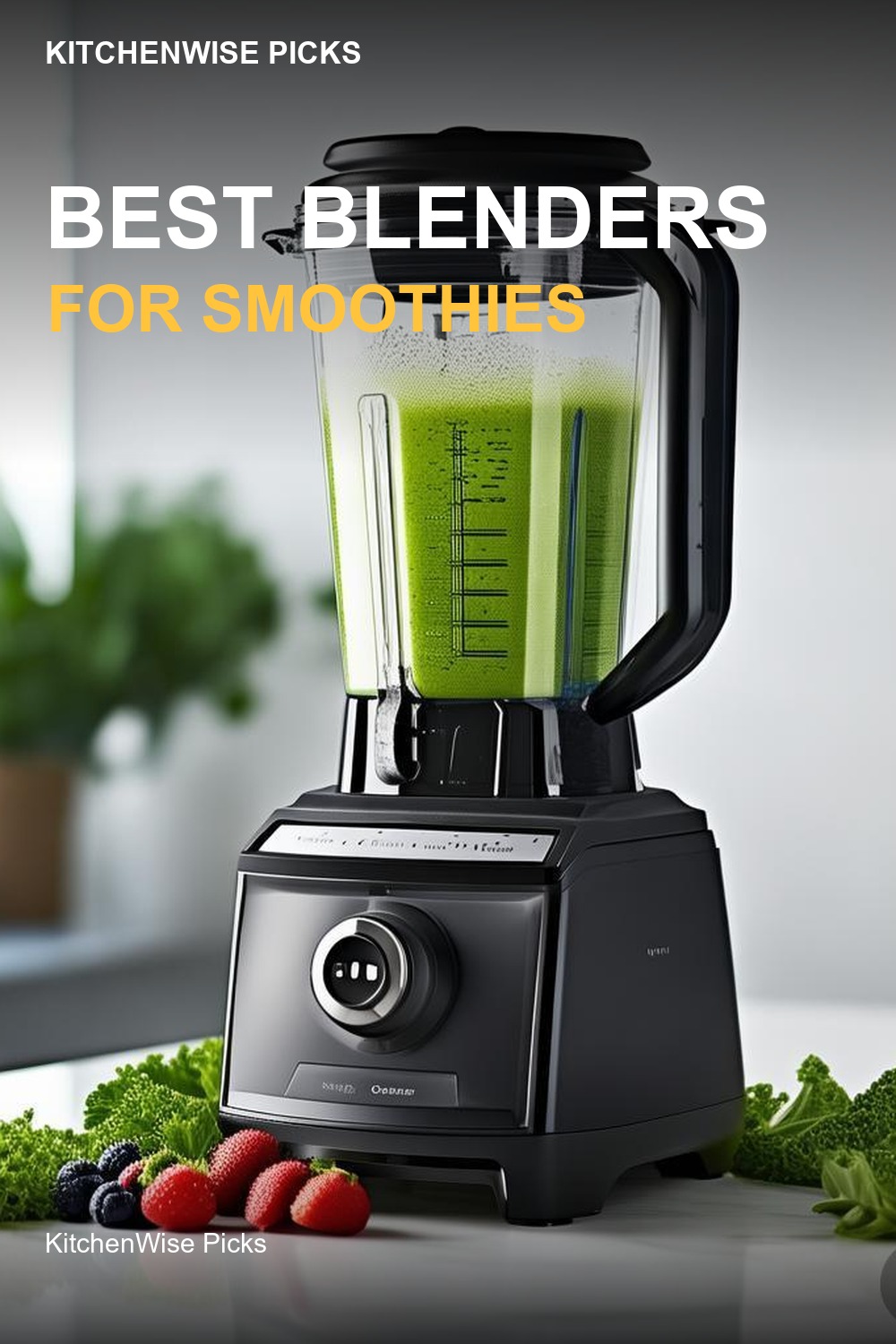
Best Blenders for Smoothies: What Actually Matters
If you’re blending leafy greens, frozen fruit, and ice every morning, you need a machine that does more than just spin—it needs to crush, pulverize, and emulsify without leaving chunks. This guide is for anyone who makes smoothies daily (or wants to), and who is tired of replacing cheap blenders or drinking gritty, half-blended shakes.
What to Look For
Before you click “add to cart,” focus on these five concrete specs. They matter more than brand names or fancy preset buttons.
Motor power vs. blade design. Don’t obsess over wattage alone. A 1,000-watt motor with dull, thick blades will still leave kale chunks. Look for motors in the 700–1,500 watt range (or 10–15 amps for full-size units) paired with stainless steel, serrated or angled blades. The best designs create a vortex that pulls ingredients down into the blades—not just spins them around the sides.
Jar material and size. You have two choices: BPA-free Tritan plastic (light, shatter-resistant, less noisy) or glass (heavy, scratch-resistant, but can crack if dropped). For daily smoothies, 32–64 ounces is the sweet spot. A 48-ounce jar fits two large servings. If you’re single, a 20–24 ounce personal cup with a travel lid is fine—but check if the blade assembly is dishwasher safe.
Personal vs. full-size. Personal blenders (like the single-serve cup style) are great for one smoothie, quick cleanup, and small kitchens. Full-size blenders handle hot soups, nut butters, and large batches. If you ever want to crush ice for frozen margaritas or make almond butter, skip the personal-only model. Many full-size units include a personal cup attachment—best of both worlds.
Frozen-ingredient handling. The real test: can it crush a handful of frozen strawberries and a cup of ice without stalling? Look for a “pulse” or “crush” function. Avoid blenders with a single high-speed button and no variable speed control—they tend to cavitate (air pockets) and leave frozen chunks stuck at the bottom.
Noise levels. Most blenders are loud—expect 80–90 decibels (like a lawnmower). But some have insulated housings or rubber bases that dampen vibration. If you blend early in the morning, look for one with a noise-reducing enclosure or a lower max speed. The trade-off: quieter models often cost more or blend slower.
Top Picks
Here’s how the main categories shake out, based on what you should check before buying:
| Pick | Best for | Key feature to check |
|---|---|---|
| Budget full-size (under $50) | Occasional smoothies, small kitchens | 700-watt motor, 40-oz Tritan jar, simple on/off switch |
| Mid-range personal (under $80) | Daily single servings, quick cleanup | 1,000-watt motor, 20-oz cup, travel lid with leak-proof seal |
| High-end full-size ($150–$300) | Heavy frozen use, nut butters, hot soups | 1,400+ watt motor, 64-oz jar, tamper included for thick blends |
| Quiet high-end (over $200) | Early-morning blending, noise-sensitive households | Enclosed housing, rubber feet, decibel rating under 75 dB |
Common Mistakes and FAQ
Mistake #1: Buying based on horsepower numbers. A 2-horsepower motor on paper doesn’t matter if the blades are cheap and the jar is too tall to create a proper vortex. Read reviews for “ice crush” and “frozen berry” mentions.
Mistake #2: Ignoring the tamper. For thick smoothies (frozen banana, spinach, peanut butter), you will need a tamper to push ingredients down. If the model doesn’t include one, you’ll be pausing and shaking the jar—annoying and messy.
FAQ: Can I put hot liquids in a personal blender? No. Most personal cups are made for cold ingredients only. Full-size glass or Tritan jars can handle warm soup, but check the max temperature rating (usually 180°F).
FAQ: How do I clean the blades safely? Never reach inside the jar. Fill it halfway with warm water, add a drop of dish soap, and run the blender for 30 seconds. Rinse. That’s it. Check if the blade assembly is removable and dishwasher-safe—some are not.
Mistake #3: Skipping the warranty. Cheap blenders often fail within a year. Look for at least a 2-year warranty, and keep your receipt. A 5-year warranty on the motor is a sign of a quality build.
Maintenance and Safety in Two Minutes
- Daily: Rinse the jar immediately after use—don’t let residue dry.
- Weekly: Blend soapy water as described above, then air dry upside down.
- Safety: Always place the lid on and lock it before starting. Never add ingredients while the motor is running. Unplug before removing the jar from the base.
- Long-term: If the blades dull (you’ll notice more chunks), replace the jar assembly—don’t try to sharpen them yourself.
Final Word
You don’t need a $500 machine to make a great smoothie. But you do need a motor that won’t stall, a jar that’s easy to clean, and a blade design that actually pulls ingredients down. Start with the budget tier if you’re new, but if you blend daily with frozen fruit, spend a little more for a model with a tamper and a quieter motor. Check the specs, read the negative reviews, and buy from a retailer with a good return policy.
We may earn a commission when you buy through links on this page, at no extra cost to you. This helps support our research and testing. We only recommend products we believe offer real value to our readers.