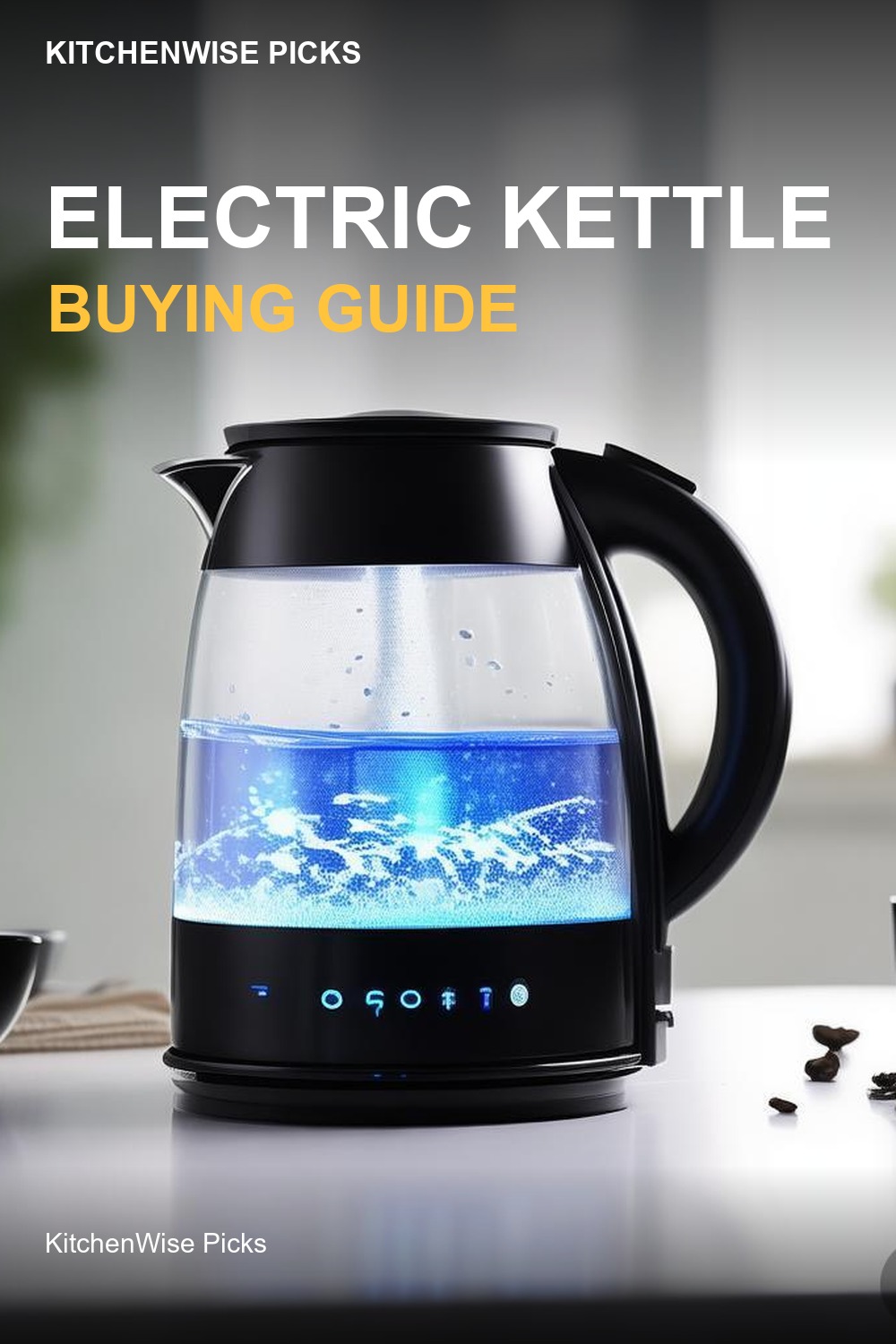
Electric Kettle Buying Guide: Fast, Safe, and Energy-Smart
If you boil water more than a couple of times a week, an electric kettle will save you time and electricity. This guide is for anyone replacing a stovetop whistler, upgrading from a basic model, or buying their first kettle for tea, pour-over coffee, oatmeal, or baby formula. We’ll cover why electric makes sense, what materials actually matter, which features are worth paying for, and how to keep your kettle clean.
Why Electric Beats Stovetop
The main argument is speed. A typical 1500-watt electric kettle boils a full liter in about 3 to 4 minutes. A stovetop kettle on a gas or electric burner usually takes 6 to 10 minutes, depending on your range. That difference matters every morning.
Efficiency is the second reason. Electric kettles direct heat straight into the water, while stovetop kettles lose a good portion of heat to the surrounding air and the burner itself. With induction or electric coils, the loss is smaller, but gas ranges are especially wasteful—much of the flame heats the kitchen, not the water. If you pay for electricity, you’ll see a small but real drop in your bill by switching.
There’s also convenience: auto shut-off, cordless pouring, and no guessing when it’s done. Many models keep the water hot for an hour or longer, so you’re not re-boiling the same pot repeatedly.
What to Look For
Material: Stainless, Glass, or Plastic
- Stainless steel is the most durable and neutral in taste. It hides scale better than glass, but you can’t see the water level clearly unless there’s a window or markings. Look for food-grade 304 stainless, not “stainless-colored” plastic.
- Glass lets you see the water level and watch boiling, which is pleasant. It’s heavier, more fragile, and scale builds up visibly, so expect to descale more often. Borosilicate glass is the safer, thermal-shock-resistant choice.
- Plastic is light and cheap, but the risk is BPA or other chemicals leaching at high heat. If you go plastic, choose one explicitly labeled BPA-free and food-grade. Many budget models use plastic in the lid and spout even when the body is stainless—check that too.
Temperature Control Tiers
- Basic (no temp control): Just boils to 212°F. Fine for black tea, instant coffee, or pasta water.
- Preset temperatures: Usually 160°F–200°F in steps. Ideal for green tea (175°F), white tea (160°F), or french press (195°F). If you drink delicate teas, this is worth the extra $15–20.
- Fully variable with hold: You set any temperature and keep it there for 30–60 minutes. Great for pour-over brewers, baby formula prep, or if you sip tea slowly. This is the top tier, and you’ll pay more for it.
Safety Features
- Auto shut-off is non-negotiable. It should cut power when the water reaches a boil or your set temperature.
- Boil-dry protection prevents the heating element from running when there’s no water. This is critical if you ever walk away and forget. Cheap kettles may skip it; check the specs.
- Cool-touch exterior and a locking lid are nice-to-haves, especially with kids around. A wide base with a stable center of gravity also prevents tipping.
Capacity and Cord
Most kettles hold 1.5 to 1.7 liters—enough for 4–6 cups. If you only make one mug, a 1-liter model is more compact and heats faster. Look for a 360-degree swivel base so you can grab the kettle from any angle, and a cord that’s at least 2.5 feet long to reach your outlet easily.
Top Picks
| Pick | Best for | Key feature to check |
|---|---|---|
| Basic stainless model | Everyday black tea or instant coffee | 1.5L capacity, auto shut-off, boil-dry protection |
| Glass with preset temps | Green/white tea drinkers | 160°F–200°F presets, borosilicate glass |
| Variable temp with hold | Pour-over or baby formula | 1°F increments, 60-minute hold function |
| Budget plastic kettle | Dorm room or occasional use | BPA-free label, 1L capacity, fast boil |
Common Mistakes and FAQs
Skipping boil-dry protection. If you ever walk away and return to a dry, hot kettle, you’ll appreciate this feature. It’s a few dollars more but prevents a fire hazard and a ruined appliance.
Not descaling. Hard water leaves mineral deposits inside. Once a month, fill with equal parts water and white vinegar, boil, let sit for 15 minutes, then rinse thoroughly. Or use citric acid. If you skip this, your kettle will boil slower and the heating element may fail early.
Overfilling. Most kettles have a max fill line. Exceeding it can cause water to spurt out during boiling, which is messy and dangerous near electrical components.
Is plastic really that bad? Modern BPA-free plastics are generally safe for boiling water. The bigger issue is that plastic can absorb odors and stains over time. If you’re sensitive to taste, go with stainless or glass.
Can I boil milk or soup in it? No. Electric kettles are for water only. Milk burns, and any residue will ruin the heating element and be a pain to clean.
Care Tips
- Empty the kettle after each use; don’t let water sit overnight.
- Wipe the exterior with a damp cloth—never submerge the base or kettle in water.
- Descaling frequency depends on your water hardness. If you see white flakes, it’s time.
- If your kettle has a removable filter in the spout, clean it regularly to keep pour flow steady.
We may earn a commission when you buy through links on this page, at no extra cost to you. Our recommendations are based on research and practical use, not on any single brand’s marketing.