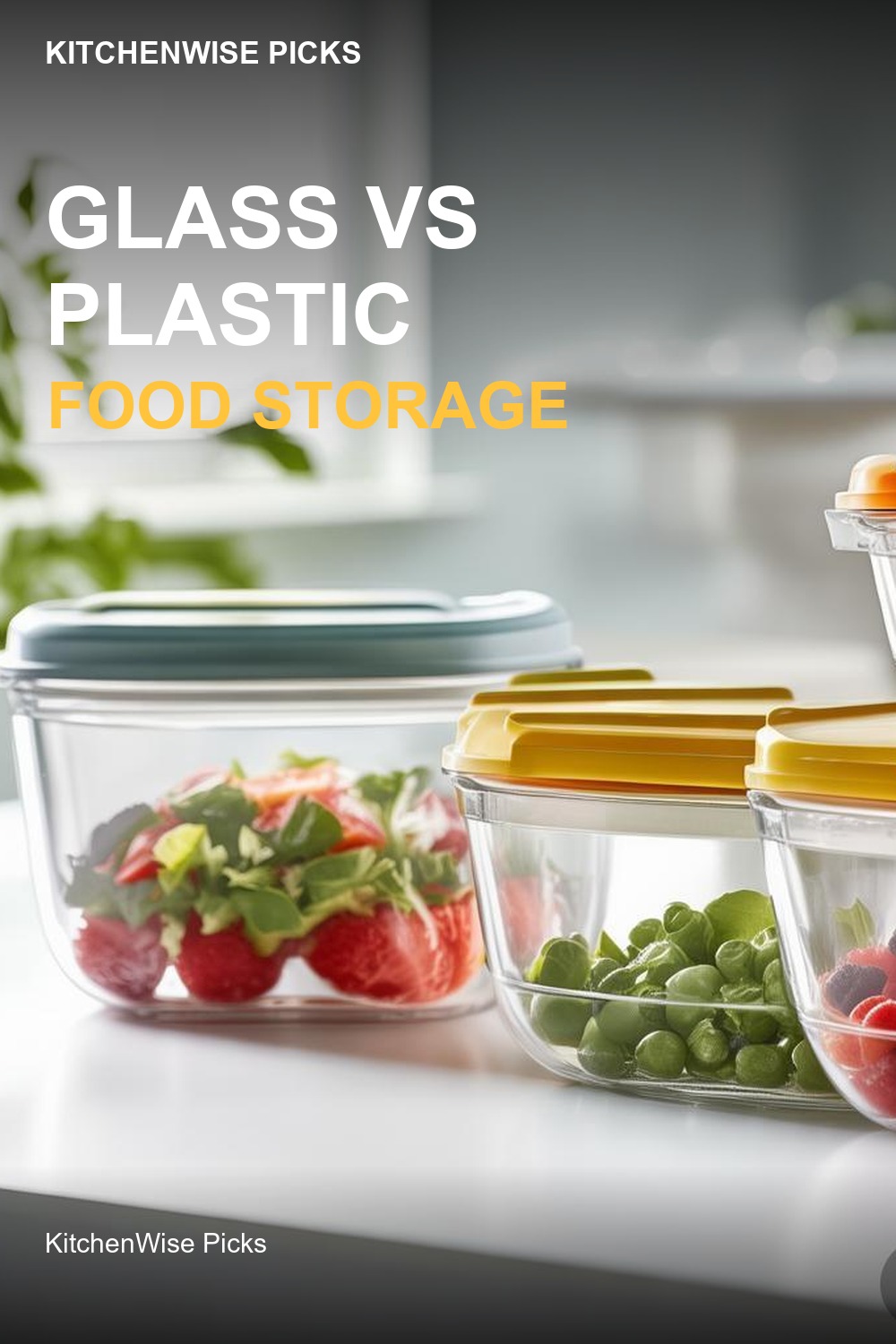
Glass vs Plastic Food Storage Containers: Which Should You Buy?
If you’ve ever stared at a cabinet full of mismatched Tupperware lids and wondered whether it’s time to switch materials, this guide is for you. You’re probably trying to decide between glass and plastic for meal prep, leftovers, or packed lunches—and the answer isn’t always obvious. Here’s a practical, no-nonsense breakdown to help you spend your money once and get containers you’ll actually use.
Glass vs Plastic: The Quick Comparison
| Factor | Glass | Plastic |
|---|---|---|
| Durability | Cracks or shatters on hard drops, but doesn't stain or warp | Bends, dents, and scratches; eventually clouds or absorbs odors |
| Safety | Non-porous, no chemical leaching, safe for hot foods | Can leach chemicals (BPA or similar) if heated or scratched—look for BPA-free grades |
| Microwave/Freezer | Microwave-safe (remove lid), freezer-safe, but thermal shock if moved from freezer to hot oven | Microwave-safe only if labeled, freezer-safe but may crack at extreme cold |
| Weight | Heavy; glass can weigh 3–4x plastic | Light; easy for kids' lunches or carrying to work |
| Cost | Higher upfront, typically 2–3x more per piece | Cheaper, often sold in large sets for less than $20 |
When Glass Wins
- Reheating leftovers: You can microwave directly in glass without worrying about chemicals leaching into your food. Stir, heat, eat—no extra plate.
- Foods with strong odors or colors: Tomato sauce, curry, or chili won’t stain or smell up glass. Plastic tends to hold onto those smells permanently.
- Long-term storage: Glass keeps food fresher longer because it’s airtight (with the right lid) and non-porous. If you batch-cook on Sunday for the week, glass is the better bet.
- Serving at the table: Glass containers double as serving dishes. You can bake in them (check for oven-safe labels), then put them straight on the table without transferring food.
When Plastic Is Fine
- Packing lunches for kids: Lightweight, unbreakable, and cheap—if a kid loses a container, you won’t cry over it.
- Dry goods: Snacks, nuts, crackers, and dry pasta are perfectly fine in plastic. No heat, no staining, no problem.
- Short-term storage: If you’re storing leftovers overnight or for a day or two, plastic does the job without the weight or cost of glass.
- Travel or camping: Plastic is flexible and won’t shatter in a backpack or cooler. Just avoid microwaving it.
Lids That Actually Seal
The lid is where most containers fail. Look for these features:
- Silicone gasket: A rubber ring inside the lid creates a true airtight seal. This is non-negotiable if you want to prevent leaks and keep food fresh.
- Four-latch or snap-tight system: Lids that latch on all four sides seal better than simple snap-on lids. They’re also more likely to stay sealed in a bag.
- Vented lids: For microwave use, a vent or steam release is essential—otherwise, pressure builds and the lid pops off.
- Interchangeable lids: Some brands use one lid size for multiple container bases. That reduces the “lid graveyard” problem in your cabinet.
Organization Tips (So You Don’t Hate Your Kitchen)
- Stack by size, not by lid: Buy containers that nest inside each other when empty (glass sets usually do this well). Store lids separately in a drawer organizer or a file holder.
- Match container depth to food type: Use shallow containers for sandwiches and produce, deep ones for soups and stews. You’ll find what you need faster.
- Label with tape, not stickers: Masking tape with a marker comes off cleanly. Permanent stickers leave residue that’s hard to scrub off glass.
- Buy a set, not singles: A 10-piece set with multiple sizes is cheaper per unit than buying individually. Start with a set, then add specialized pieces (like tall soup jars) later.
What to Avoid
- Cheap plastic with no BPA-free label: If it doesn’t say BPA-free, skip it. You don’t need to spend a fortune, but you should know what you’re putting near your food.
- Glass with non-removable lids: Some glass containers come with permanently attached lids—hard to clean and often leak. Always check that the lid comes off separately.
- Thin, flimsy glass: Look for tempered borosilicate glass (it resists thermal shock). Regular soda-lime glass is more likely to crack in the freezer or microwave.
- Containers with sharp interior corners: Food gets trapped in corners, and they’re harder to clean. Round or gently curved bottoms are easier to wipe out.
FAQ
Can I put a glass container straight from the freezer into the microwave? No. Let it sit at room temperature for 5–10 minutes first. Sudden temperature changes can crack tempered glass.
Are all plastic containers microwave-safe? No. Check the bottom for a microwave-safe symbol (usually a wavy lines icon). If it’s not there, don’t use it in the microwave—the plastic can melt or leach chemicals.
How long do glass containers last? With normal use, years. The lids (especially silicone gaskets) will wear out before the glass, but most brands sell replacement lids separately.
Is it worth paying more for glass? If you regularly reheat leftovers, pack meals in advance, or store strong-smelling foods, yes. If you mainly need cheap containers for snacks and dry goods, plastic is fine.
Final Word
Neither material is universally “better.” The smart move is to own both: a glass set for your main meal prep and reheating, and a few plastic containers for the situations where weight and breakability matter. Look for glass with silicone-gasketed lids and BPA-free plastic with vented lids. Start with a set that nests, and you’ll have a system that lasts.
We may earn a commission when you buy through links on this page, at no extra cost to you.