Who this is for
If you want the convenience of a pressure cooker, slow cooker, rice cooker, and yogurt maker in one countertop appliance—but you’re not convinced the most famous brand is worth the premium—this guide is for you. We’ll cover what actually matters in a multi-cooker, five alternative types worth your money, and the safety features that separate a good buy from a risky one.
What a multi-cooker actually does
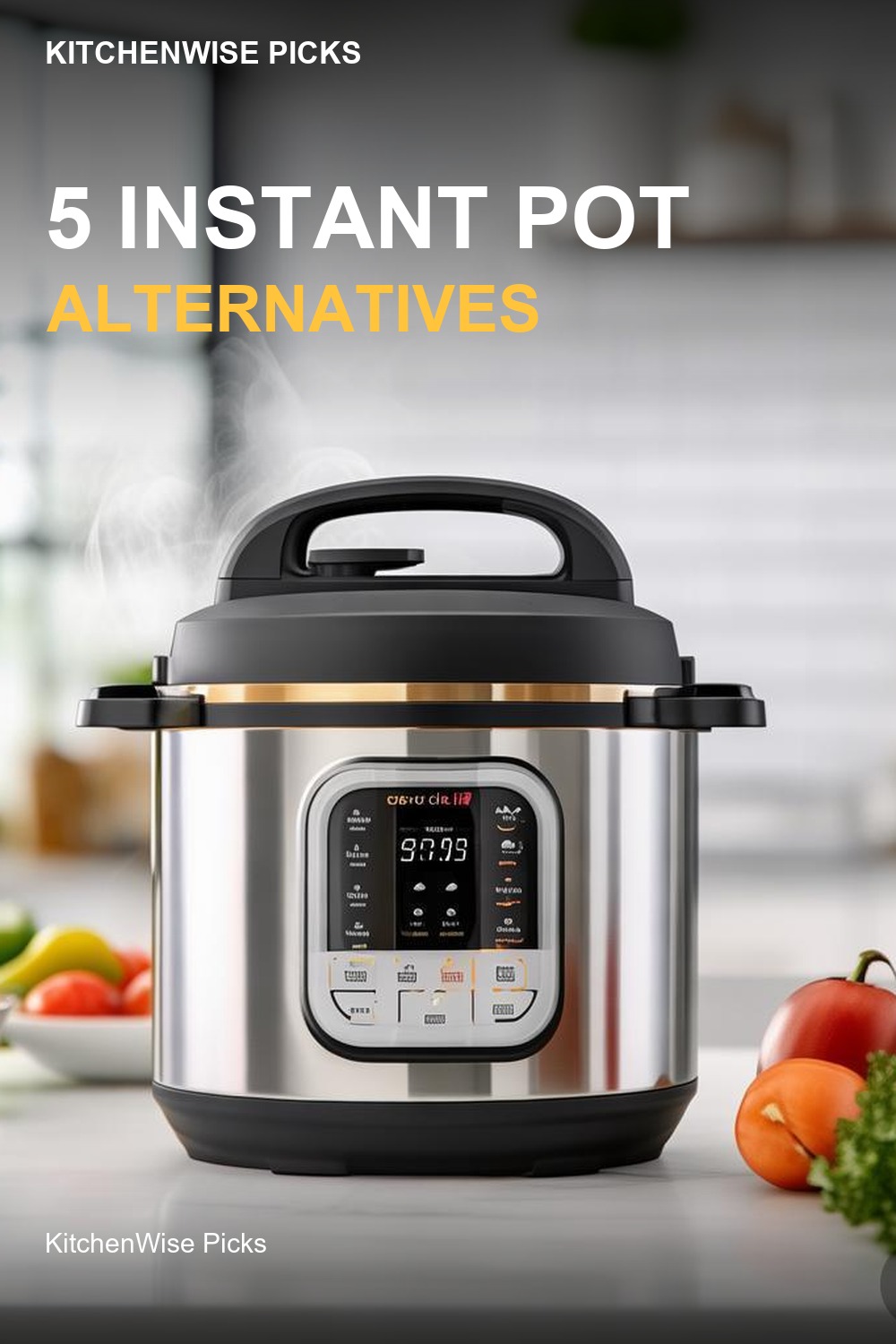
A multi-cooker is a sealed, electrically heated pot with a programmable control panel. It combines several cooking methods into one device: pressure cooking, slow cooking, sautéing, steaming, and often rice cooking, yogurt making, and sous vide. The appeal is simple: one appliance replaces four or five single-purpose gadgets, and it cooks beans, tough cuts of meat, and grains in a fraction of the time a stovetop would take.
Why not everyone needs the brand leader
The category leader (you know the one) dominates shelf space and recipe blogs, but it’s not the only good option. Many alternatives match its core functions—pressure cooking and slow cooking—at a lower price, with simpler controls or larger capacities. Some people prefer a model with a dedicated yogurt program, others want a pot that doubles as a sous vide bath, and some just want a basic, reliable cooker without the app connectivity or extra presets they’ll never use. If you’re clear about which features you’ll actually touch, you can save money and counter space.
Features matrix: what to compare
| Feature | What it does | Why it matters |
|---|---|---|
| Capacity (6 qt vs 8 qt) | How much food fits | 6 qt feeds 4–6; 8 qt handles whole chickens or batch cooking |
| Pressure levels | High/low options | Low pressure is better for delicate fish and custards |
| Yogurt mode | Ferments at 110°F | Essential if you make yogurt; not all models have it |
| Sous vide mode | Holds water at precise temp | Turns the pot into a water bath for steaks and eggs |
| Sauté function | Browning before pressure cooking | Saves you a separate pan and adds flavor depth |
| Keep-warm duration | Hours food stays hot | Longer is better for meal prep and potlucks |
| Lid type | Sealing vs venting | A separate glass lid lets you steam or slow cook without pressure |
Five alternative archetypes worth your money
Here’s how to think about the market beyond the usual recommendation. These are product types, not specific models—look for these features in any brand you consider.
| Pick | Best for | Key feature to check |
|---|---|---|
| Budget 6-qt basic | First-time buyers or small households | Simple dial or button controls, at least 10 presets, stainless steel inner pot |
| Large 8-qt workhorse | Big families or meal preppers | 8-qt capacity, dual pressure settings, dishwasher-safe parts |
| Yogurt & fermentation specialist | Home fermenters and probiotic fans | Dedicated yogurt program with adjustable temperature and time |
| Sous vide hybrid | Home cooks who want precision | Sous vide mode with ±1°F temperature accuracy |
| Ultra-simple manual model | Seniors or anyone who hates menus | Physical buttons, no app, no touchscreen, clear printed labels |
Safety notes: don’t skip these
- Pressure release method matters. Look for a model with both quick-release (steam vent button) and natural-release (let pressure drop on its own). Quick release is faster but can splatter; natural release is gentler for soups and grains.
- Lid interlock. A good multi-cooker won't let you open the lid while pressure is high. Check that the locking mechanism feels solid and isn't flimsy plastic.
- Overheat protection. This shuts the unit off if it runs dry. Non-negotiable if you’ll ever walk away while cooking.
- Stainless steel inner pot beats nonstick. It lasts longer, doesn't flake, and cleans up fine with a soak. Nonstick is lighter but wears out in 2–3 years.
- Cord length and placement. A short cord or rear-mounted plug can be annoying. Look for a side-mounted cord or at least a 3-foot cord.
Common mistakes and quick answers
Mistake: Buying the biggest capacity “just in case.” An 8-qt pot takes longer to come to pressure with small batches and eats counter space. Match the size to your household.
Mistake: Ignoring the sauté function. If you sear meat before pressure cooking, you’ll get far better flavor. A model without a strong sauté mode will leave you browning in a separate pan.
Mistake: Assuming all yogurt modes are equal. Some run too hot and kill the cultures. Read reviews specifically about yogurt results before buying.
FAQ: Can I use my existing pressure cooker recipes? Yes, but cooking times may vary by 10–20% between brands. Always check the manual’s pressure settings (high vs low) first.
FAQ: Do alternatives come with enough accessories? Most include a steam rack, measuring cup, and rice paddle. You’ll likely need to buy a separate sealing ring if you cook savory and sweet dishes—silicone absorbs odors.
FAQ: Are cheaper models safe? Yes, provided they carry UL or ETL certification and have the lid interlock and overheat protection mentioned above. Price isn’t a proxy for safety.
Bottom line
You don’t need the most famous name to get a capable multi-cooker. Decide your must-have features first—capacity, yogurt mode, sous vide, or simplicity—then compare a few top-rated brands in that category. Read recent reviews that mention long-term durability, not just first-week excitement.
We may earn a commission when you buy through links on this page, at no extra cost to you. For a full range of options, browse multi cooker pressure cooker on Amazon to compare current models and prices.